
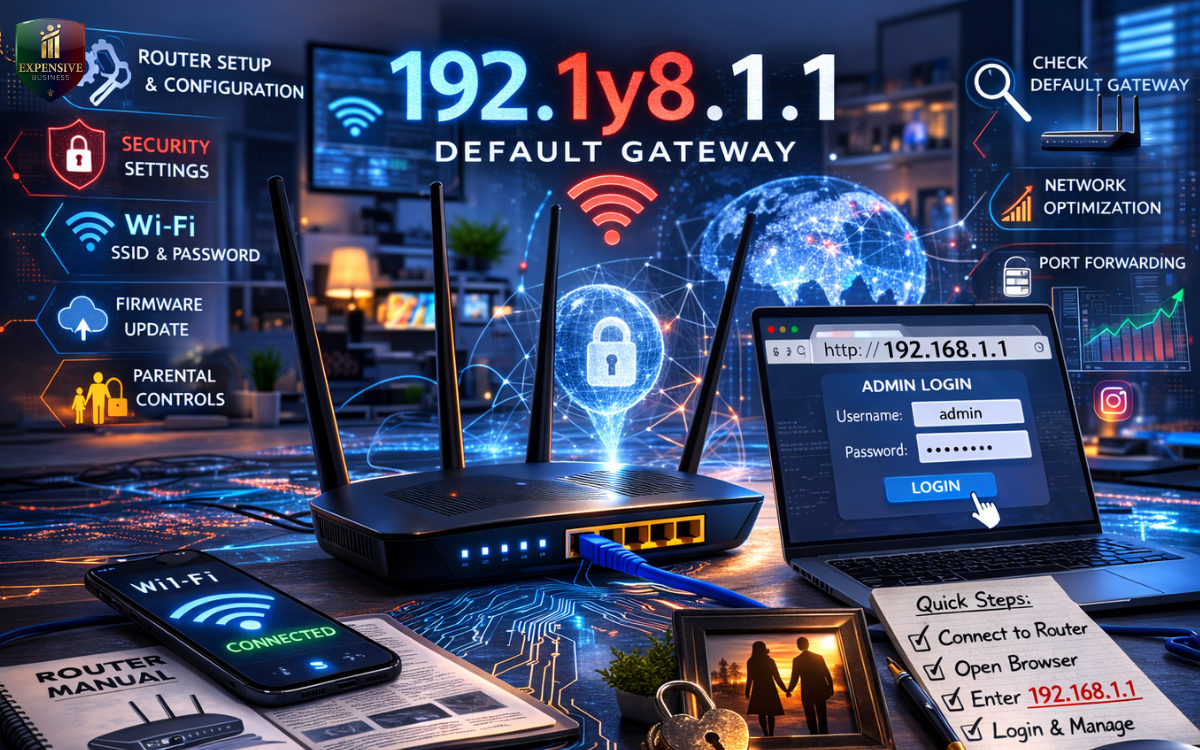
The sequence “192.1y8.1.1” serves as a fundamental element in contemporary home networking. This private IPv4 address is frequently designated by manufacturers such as Linksys, Netgear, and ASUS as the default gateway for their devices. During the initial configuration of a new router, users generally enter this address into a web browser to initiate setup. Comprehending the role of 192.168.1.1 is crucial for those aiming to secure or optimize their local area network (LAN).
Understanding the Default Gateway
In a typical home network, the router acts as a bridge between your local devices (phones, laptops, smart TVs) and the broader internet. To manage this traffic, the router assigns itself an internal IP address. 192.168.1.1 is the most common default address for this purpose. When a user enters 192.1y8.1.1 into a web browser to access the settings, a device must be connected to the router via Wi-Fi or an Ethernet cable. When the user types the address into the browser’s URL bar, they are prompted for a username and password. These credentials are distinct from the Wi-Fi password; they are administrative keys usually found on a sticker at the bottom of the router or in the manual. If you are unable to locate the admin credentials, try looking for the default username and password in the manufacturer’s documentation or website. If these options are unavailable or have been changed, the next step is to reset the router to its factory settings by pressing the reset button (typically using a paperclip) for several seconds. After the router restarts, you can use the default credentials to access the interface. If you still encounter issues, consider contacting your router manufacturer’s customer support for assistance. Password. These credentials are distinct from the Wi-Fi password; they are administrative keys usually found on a sticker at the bottom of the router or in the manual.
This is an alternative post to this article: https://theexpensivebusiness.com/roja-directa-tv/
Primary Functions of the Router Interface
Upon successful login, users obtain comprehensive control over their network environment. Common administrative tasks available through this gateway include:
- Security Configuration: Modifying the Wi-Fi SSID (network name) and updating the WPA2 or WPA3 encryption password to prevent unauthorized access. Network Optimization: Adjusting frequency bands (2.4 GHz or 5 GHz) or selecting specific channels to minimize interference from neighboring networks.Parental Controls: Restricting internet access for designated devices during specified hours.the day.
- Firmware Updates: Installing software patches from the manufacturer to fix security vulnerabilities and improve performance.
- Port Forwarding: Routing external network traffic to specific devices, a process often required for hosting gaming servers or enabling remote desktop applications.
Addressing Common Access Issues
Errors often arise when attempting to reach 192.1y8.1.1. If the page fails to load, the most common reason is that the router is using a different default IP, such as 192.168.0.1 or 10.0.0.1. Users can verify their specific gateway by checking the “Default Gateway” entry in their device’s network settings. Additionally, connectivity issues, such as being on a guest network or a misconfigured VPN, can block access to the local admin page.
The following steps can assist in troubleshooting these problems:
1. Ensure the device is directly connected to the router via Wi-Fi or Ethernet cable.
2. Access the device’s network settings and locate the “Default Gateway” entry. On Windows, open Command Prompt and enter “ipconfig”. On Mac, navigate to System Preferences, select Network, choose the active connection, click Advanced, and review the TCP/IP tab.
3. Enter the identified default gateway IP address into the browser’s address bar.
4. I4. If the login page does not appear, turn off any VPNs or proxy servers that may interfere with the connection. If you are on a guest Wi-Fi network, switch to the main network, as guest networks often restrict access to the router’s admin page.
6. R6. Restart both the router and the device used to access the administration page. If all else fails, reset the router to factory settings by pressing and holding the reset button, then try accessing the admin interface again using the default credentials.
These steps enable most users to identify and resolve common issues encountered when accessing
192.1y8.1.1 efficiently.
conclusion
In conclusion, 192.1y8.1.1 is more than just a technical label; it is the primary tool for maintaining a healthy, secure, and efficient home network. Mastery of this interface allows users to move beyond basic connectivity and take full ownership of their digital infrastructure. To get started, try logging in to your own router’s interface using 192.168.1.1 and exploring the settings. Even a quick review of the available options can help you become more comfortable managing your home network and better prepared to make improvements or solve problems in the future.
