Winning big: The psychology behind casino gambling
The Nature of Luck in Gambling
Luck is often romanticized in the gambling world, with many players believing that fortune favors them when they step into a casino. This notion that luck can dictate outcomes plays a crucial role in how people perceive their winnings and losses. While some may argue that luck is purely random, others draw on personal anecdotes to support the idea of lucky streaks or fateful encounters, hinting at a deeper connection between individual experiences and chance, which is why many seek the best australian online casino for their next big win.
In many games played in casinos, such as slots, dice, or roulette, the element of chance is undeniably prominent. These games are structured to deliver outcomes that, statistically speaking, are out of the player’s control. However, the psychological aspect of luck makes it essential; players often attribute their wins to being lucky, while losses are frequently brushed off as bad luck. This duality shapes the psychological landscape of gambling by creating a cycle of hope and despair that can heavily influence future betting behavior.
Understanding the interplay between skill and chance can further illuminate the role of luck in casinos. While certain games, like poker or blackjack, allow for strategic decision-making, others rely entirely on chance. This understanding can influence a player’s expectations and strategies, as they navigate the complex emotional terrain of winning and losing. Ultimately, luck remains a significant variable in a gambler’s experience, often providing the thrill that draws players into the world of casinos.
The Role of Probability in Casino Games
Every game in a casino is governed by probability, providing a mathematical foundation that defines potential outcomes. Casino operators design games with established odds, ensuring a house edge that favors the establishment over time. This inherent imbalance reflects the cold reality that, over the long term, the house will always win, regardless of any perceived lucky streaks a player might have during short sessions of play.
For example, in games like roulette, players may believe they have a chance of hitting a particular number, but the odds remain heavily stacked against them. The presence of the house edge ensures that the longer players engage with the game, the higher the likelihood that they will lose. Even in skill-based games like poker, where players compete against each other, luck still plays a pivotal role in short-term outcomes; a bad beat can change the course of a game, showcasing luck’s unpredictable nature.
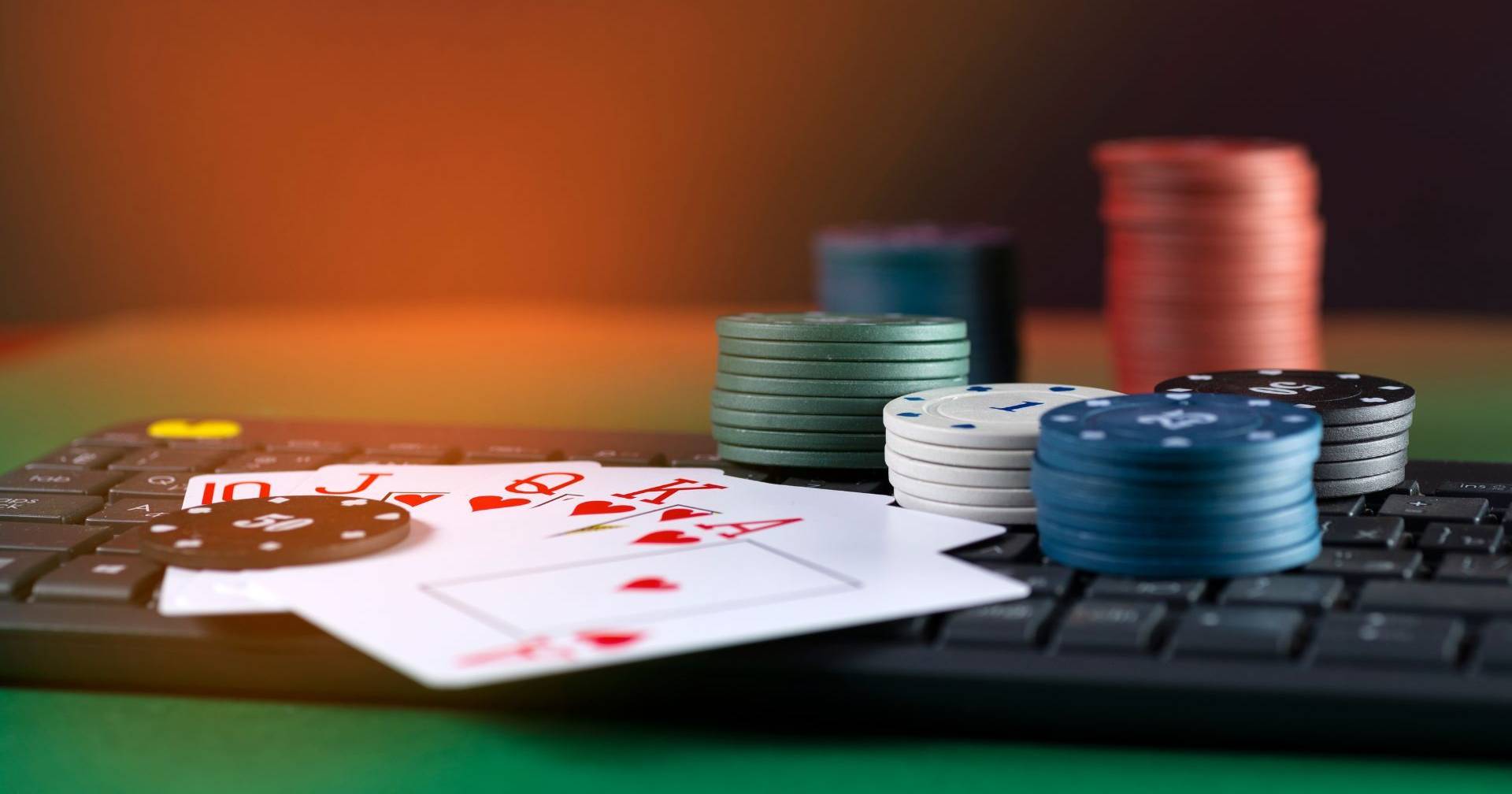
Understanding probability can help players make informed decisions and approach gambling more critically rather than relying solely on luck. While luck may play a role in individual sessions, long-term success depends on understanding the odds and employing sound strategies. This approach helps demystify the allure of luck and emphasizes the importance of knowledge and practice in potentially improving players’ outcomes.
The Emotional Rollercoaster of Gambling
The emotional experience of gambling can be as thrilling as the games themselves, heavily influenced by the perception of luck. Players often experience a surge of adrenaline when they hit a win, fueling a sense of euphoria that can lead to more gameplay. This emotional high is often tied to the belief in luck as a personal force guiding their fate, reinforcing their desire to continue taking risks.
Conversely, the feelings of despair that accompany losses can invoke frustration and disappointment. When players feel that luck is not on their side, they may become more reckless, chasing losses in hopes of a turnaround. This emotional rollercoaster illustrates how luck can shape the gambling experience, affecting players’ decisions and behaviors in profound ways. Understanding this psychological dynamic can help players navigate their emotional health while gambling.
Furthermore, casinos often capitalize on this emotional rollercoaster by creating environments designed to amplify these feelings. The sights and sounds of winning—a cascade of coins, flashing lights, or celebratory music—reinforce the idea of luck being favorable. This psychological manipulation encourages continued play, making it essential for gamblers to be aware of how the casino experience can influence their perceptions of luck and the reality of their situation.
The Illusion of Control: Superstitions and Rituals
Many gamblers engage in superstitions and rituals in an attempt to sway luck in their favor. Whether it involves wearing a particular outfit, using lucky charms, or performing specific actions before placing a bet, these behaviors highlight the human desire for control in unpredictable situations. Such practices can provide comfort and a sense of agency amidst the randomness of gambling, often becoming integral to the player’s identity.
Interestingly, these rituals can serve as psychological tools, enabling players to rationalize their outcomes. When a gambler wins after following a specific routine, the behavior is reinforced, leading to repeated actions in an attempt to replicate success. On the other hand, losses may be attributed to not adhering to their lucky rituals, perpetuating the cycle of belief in luck and superstition. This dance with fate can create an intriguing relationship between the player and the games they choose to play.
The exploration of these rituals also provides insight into the broader cultural attitudes towards luck and gambling. Many individuals find comfort in the belief that their actions can influence fate, reflecting societal norms and traditions surrounding luck. Understanding the psychological aspects of these rituals can enhance the overall casino experience, allowing players to be more mindful of their behaviors and the narratives they create around luck.
Conclusion: Finding Balance in Luck and Skill
Ultimately, the relationship between luck and fate within the context of casinos is complex and multifaceted. While luck undeniably plays a critical role in determining short-term outcomes, understanding the odds, probabilities, and emotional dynamics at play can empower players to navigate their gambling experiences more effectively. By recognizing that gambling is not solely about luck, individuals can develop a more balanced approach, integrating skill, strategy, and responsible gambling practices.
Casinos thrive on the allure of luck, drawing players into an exciting world filled with unpredictable outcomes. However, players must remember that luck alone is not a reliable strategy for success. By fostering a comprehensive understanding of how games work and managing their emotional responses, individuals can enhance their overall enjoyment while mitigating the potential pitfalls of gambling.
As players engage with the thrill of casino gaming, a delicate balance between luck and skill emerges. This balance can lead to a more rewarding and enjoyable experience, allowing individuals to appreciate the excitement of chance while exercising thoughtful decision-making. By approaching gambling with both curiosity and caution, players can navigate the casino landscape, ensuring that luck complements their journey rather than dictates their fate.