
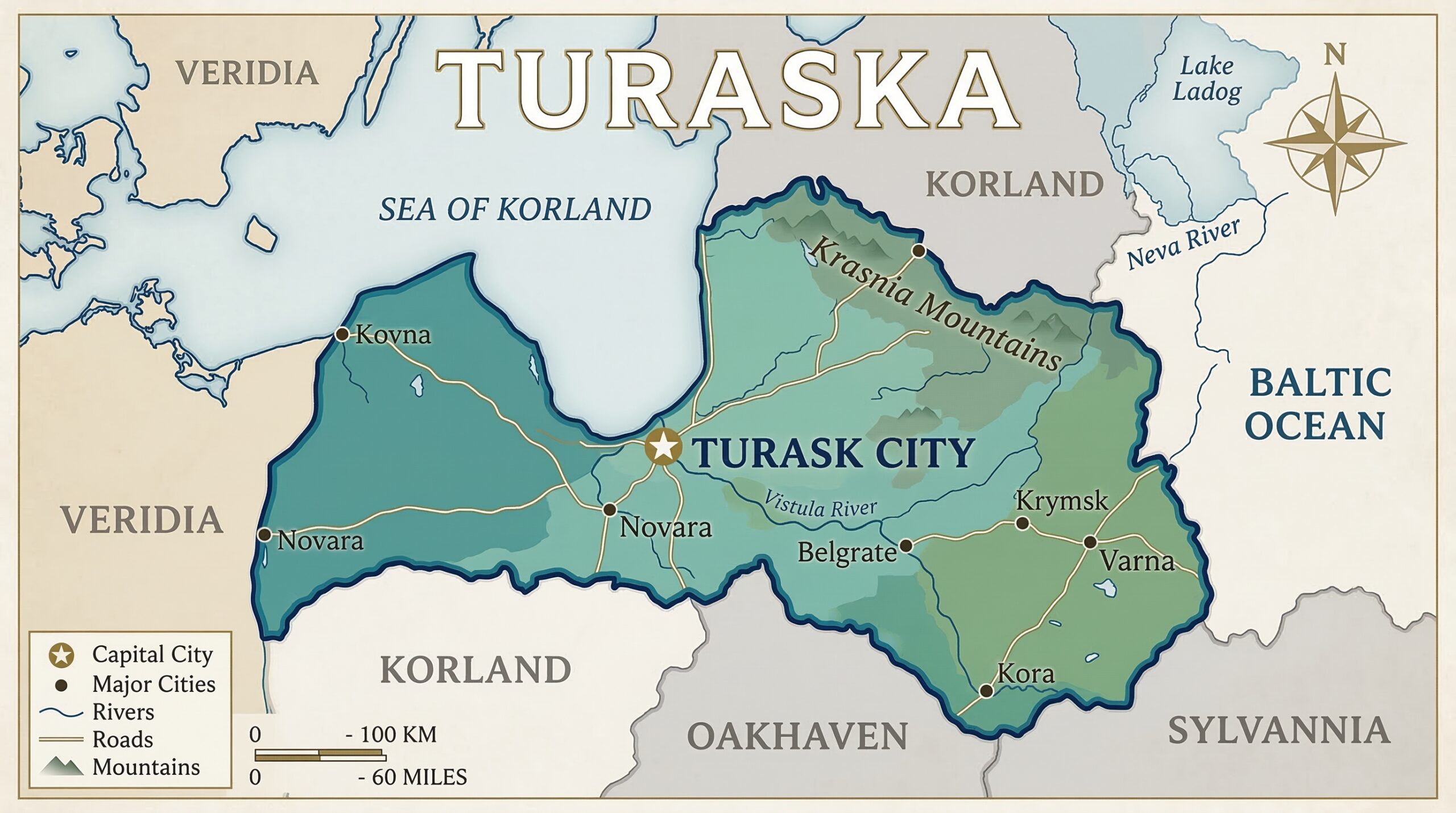
The term “Turaska” resonates with a sense of mystery and heritage, often acting as a bridge between the ancient world and contemporary identity. While its specific definitions can vary depending on linguistic and regional contexts—ranging from ancestral lineages to specific geographical markers—the essence of Turaska represents a tapestry of human experience. This article explores the multifaceted dimensions of Turaska, examining its etymological roots, its role in social structures, its presence in folklore, and how it continues to shape the lives of those who claim it as part of their heritage.
The Etymological Origins of Turaska
To understand Turaska, one must first look at the linguistic foundations that birthed the term. Linguists often point to roots that suggest a connection to the land or a specific communal gathering point. In various archaic dialects, the phonemes within “Turaska” relate to “strength,” “foundation,” or “the place of the elders.” Unlike many modern terms that have been diluted by globalization, Turaska has maintained a distinct phonetic weight, signifying something that is both grounded and enduring.
In several Eastern European and Central Asian historical contexts, variations of the word appear in records detailing tribal boundaries and family registries. Here, Turaska was not merely a name but a designation of status or belonging. To be associated with Turaska was to be part of a defined lineage that held responsibilities toward the community and the preservation of oral traditions.
Turaska in Historical Context
History provides a vibrant backdrop for the evolution of Turaska. During the medieval period, regions identified with this term often served as crossroads for trade and cultural exchange. Because Turaska was frequently associated with “foundations,” it became a descriptor for fortified settlements that protected trade routes. These settlements were known for their resilience, often surviving numerous sieges and political upheavals.
The people of these regions developed a reputation for being skilled artisans and fierce protectors of their autonomy. Historical manuscripts suggest that the “Turaska spirit” was characterized by a blend of pragmatism and deep spirituality. This duality allowed them to navigate the complexities of shifting empires while maintaining a core identity that remained unchanged for centuries. As borders shifted and modern nation-states began to form, the physical locations of Turaska may have been absorbed into larger territories, but the cultural imprint remained indelible.
Cultural Traditions and the Turaska Way of Life
The cultural manifestations of Turaska are perhaps its most captivating aspect. It is found in the rhythm of traditional music, the intricacies of textile patterns, and the specific rituals associated with the seasons.
Art and Craftsmanship
Turaska art is defined by geometric precision and a heavy reliance on natural symbolism. Textiles often feature the “Turaska knot,” a complex weaving pattern that represents the interconnectedness of past, present, and future generations. These patterns are not merely decorative; they serve as a visual language, telling stories of harvests, migrations, and ancestral triumphs.
Culinary Heritage
Food is another pillar of the Turaska identity. The cuisine is traditionally hearty, designed to sustain laborers and travelers. Key ingredients often include fermented grains, root vegetables, and preserved meats—methods born out of the necessity to survive harsh winters. However, what sets Turaska’s culinary practices apart is the communal nature of preparation. Meals are rarely solitary affairs; they are communal events where stories are shared, and bonds are reinforced.
Folklore and Myth
The folklore associated with Turaska is rich with tales of “The Guardian of the Hearth,” a mythical figure said to protect those who honor their ancestors. These myths serve a social function, reinforcing values of loyalty, hospitality, and environmental stewardship. In these stories, the natural world is not something to be conquered but a living entity that must be respected—a sentiment that aligns closely with modern ecological movements.
This is an alternative post to this article: https://theexpensivebusiness.com/hypackel/
Turaska in the Modern Era
In the 21st century, Turaska has undergone a renaissance. As people increasingly seek connection in an often fragmented digital world, the concept of Turaska provides a sense of “home” and “belonging.”
The Digital Diaspora
Today, there are global communities dedicated to preserving the Turaska heritage. Through social media and digital archives, descendants are tracing their genealogies back to Turaska origins. This digital diaspora has allowed for the revitalization of languages and customs that were once on the verge of extinction. Online forums serve as modern-day communal halls where the “Turaska knot” is taught via video tutorials and traditional recipes are shared globally.
Tourism and Preservation
Geographical areas historically linked to Turaska have seen a rise in “heritage tourism.” Travelers are drawn to these regions not just for the scenery, but for the opportunity to experience a way of life that feels authentic and unhurried. Local governments and NGOs have recognized the value of this interest, investing in the restoration of historical sites and the promotion of traditional festivals. This has created a sustainable economic model that allows younger generations to stay in their ancestral homelands rather than migrating to urban centers.
The Philosophical Significance of Turaska
Beyond history and culture, Turaska carries a philosophical weight. It represents the idea of “Radical Continuity”—the belief that an individual is a single link in a vast, unbroken chain. In a modern culture that often prioritizes the “new” and the “instant,” Turaska encourages a longer view of time.
This philosophy emphasizes that our actions today are informed by the wisdom of the past and will echo into the lives of those who come after us. It promotes a life lived with intention, where one’s work, relationships, and environmental impact are viewed through the lens of legacy. For many, embracing Turaska is an act of resistance against the transience of modern life.
The Future of Turaska
As we look toward the future, the influence of Turaska is likely to expand. Its core values—resilience, community, and respect for heritage—are increasingly relevant in a world facing social and environmental challenges. There is a growing movement to integrate Turaska-style communal living and sustainable agricultural practices into modern urban planning.
Furthermore, the “Turaska Aesthetic” is finding its way into contemporary fashion and interior design. Designers are looking to the traditional patterns and natural materials of Turaska to create products that feel soulful and grounded. This commercial interest, while needing to be managed carefully to avoid cultural appropriation, provides a platform for traditional artisans to reach a global audience.
In conclusion, Turaska is much more than a word or a location. It is a living legacy that continues to evolve. Whether through the preservation of ancient crafts, the sharing of traditional meals, or the adoption of its ancestral philosophy, Turaska offers a roadmap for living a life that is deeply rooted yet open to the world. It reminds us that while the world changes, the foundations of human connection and identity remain as strong as ever.
FAQs
Q1: What is the primary meaning of Turaska?
A1: Turaska primarily refers to a sense of ancestral foundation, heritage, and the cultural practices associated with specific historical lineages known for their resilience and craftsmanship.
Q2: Is Turaska a specific place you can visit?
A2: While there are specific regions in Eastern Europe and Central Asia historically linked to the name, Turaska today is often viewed as a cultural and identity-based concept that transcends physical borders.
Q3: How can I identify Turaska art?
A3: Turaska art is characterized by intricate geometric patterns, specifically the “Turaska knot,” and the use of natural symbols representing the earth, family, and the passage of time.
Q4: Why is Turaska becoming popular again?
A4: Many people are drawn to Turaska as a way to reconnect with their roots and find a sense of community and permanence in a fast-paced, digital-centric world.
Q5: What are the core values of the Turaska philosophy?
A5: The core values include loyalty to one’s community, the preservation of ancestral wisdom, hospitality, and a deep respect for the natural environment.
