
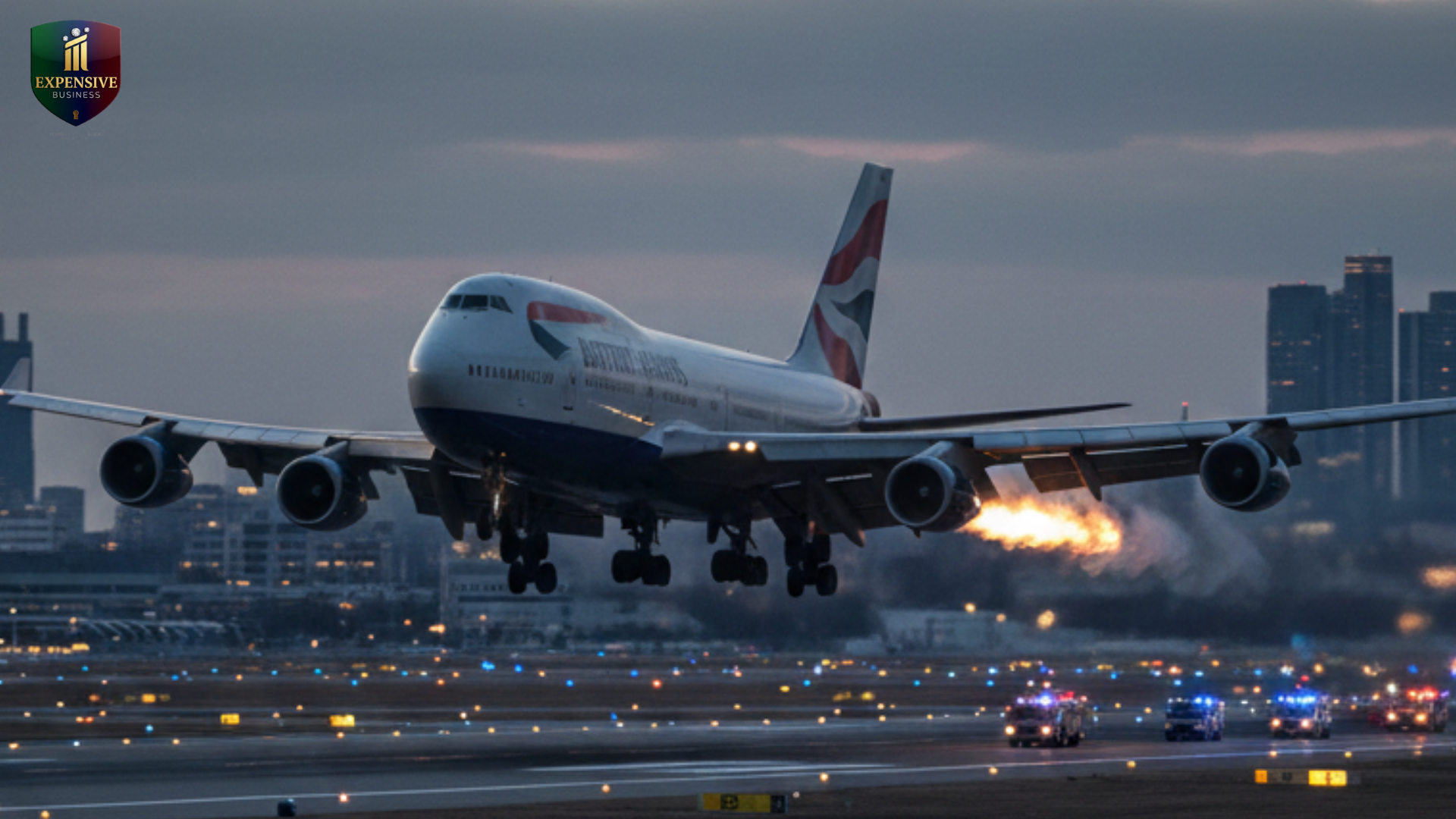
Introduction to British Airways Flight BA286
What Led to the Emergency Landing?
Swiftly assessing the situation, they decided to return to London Heathrow for safety reasons. The crew acted decisively to ensure passenger security while communicating clearly about what was happening.
Amidst this tension, cabin crew followed established protocols to prepare passengers for a safe landing back at their departure airport.
Passengers felt a mix of anxiety and concern as they were informed that returning would be necessary due to engine complications. Fortunately, trained professionals managed the scenario effectively.
This incident serves as a reminder of how crucial it is for airlines and crews to remain vigilant in monitoring systems throughout each flight segment.
Passengers’ Experience on the Flight
However, as announcements filtered through the intercom regarding technical difficulties, anxiety surged. Some passengers exchanged worried glances while others clutched their armrests tightly. A few began whispering prayers or sending messages to loved ones back home.
The atmosphere shifted when preparations for an emergency landing were announced. Passengers instinctively leaned forward in their seats, eyes wide with concern and uncertainty about what lay ahead.
Throughout this tense period, many admired how quickly and efficiently flight attendants moved to assist those who needed reassurance. Their professionalism provided a sense of comfort amid the chaos, proving invaluable during such an unsettling experience.
Response from British Airways and Investigation Details
In light of the situation, British Airways reached out to all passengers aboard, ensuring their well-being and offering support during this stressful time. Their customer service team worked diligently to address inquiries and provide assistance.
An investigation commenced shortly after the event, involving aviation authorities and internal teams. They aimed to determine what went wrong while scrutinizing every aspect of flight operations leading up to the emergency.
The investigation also involved collecting testimonies from crew members and passengers alike. This data is crucial for identifying any potential issues that could prevent similar incidents in the future.
Transparency became a priority for British Airways throughout this process, reassuring travelers about their ongoing commitment to safety standards.
Safety Measures in Place for Emergency Landings
Pilots undergo rigorous training, including simulations for emergency scenarios. They learn to react swiftly to any technical failure or in-flight anomaly. This preparation helps ensure that crew members remain calm and efficient under pressure.
Aircraft also feature advanced technologies such as monitoring systems and redundancy measures. These tools help detect issues early, allowing the crew ample time to act decisively.
Passenger briefings before takeoff play an essential role, too. Safety demonstrations cover the use of seat belts, life vests, and emergency exits. Familiarizing everyone with these procedures can make a significant difference during emergencies.
Regular maintenance checks are conducted on aircraft fleets to identify potential concerns before they escalate into serious problems. All these layers of preparedness serve as vital safeguards for travelers in distressing situations.
Similar Incidents and Their Outcomes
One notable incident was United Airlines Flight 1175 in 2018—the Boeing 777 experienced engine failure shortly after takeoff from Los Angeles. Pilots successfully landed the aircraft without injuries to passengers or crew.
Another case involved Qantas Airways Flight 72 in 2008. This flight encountered severe turbulence caused by faulty sensors, leading to an emergency descent that injured several passengers. Despite the chaos, the skilled crew ensured a safe landing.
Each episode serves as a reminder of airlines’ robust safety protocols and rigorous training for pilots and staff. These experiences highlight how prepared crews can effectively manage crises, ultimately safeguarding lives when emergencies arise mid-flight.
Conclusion: The Importance of Preparedness in Air Travel Emergencies
Passengers must understand safety briefings and emergency procedures provided by cabin crews. This knowledge can make all the difference in high-stress situations. Airlines like British Airways continually update their training programs to ensure staff are equipped to handle emergencies with confidence.
Moreover, ongoing improvements in aircraft technology play a significant role in enhancing flight safety. These advancements improve the handling of unexpected events and reassure travelers.
The experience on Flight BA286 underscores the importance of both passengers and airline staff being prepared at all times. Preparedness isn’t just about having protocols; it’s about fostering an environment where everyone feels informed and ready to act in the face of uncertainty.
Understanding these dynamics helps build trust between airlines and passengers, ultimately leading to safer skies for everyone involved.
