
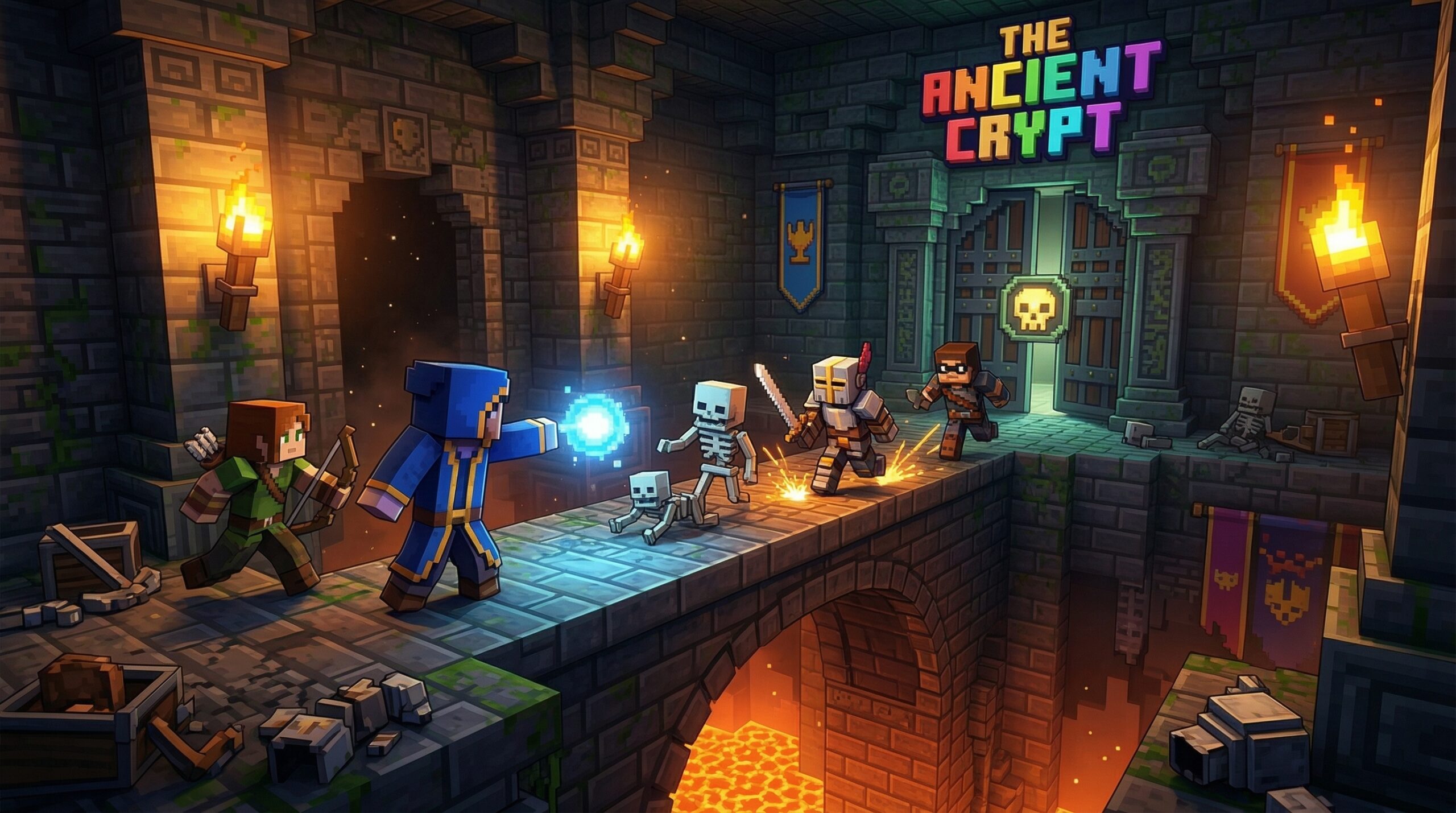
The term “hypackel” emerges as a focal point for understanding how private server architectures and community-driven content create lasting digital legacies. While the gaming industry often prioritizes triple-A releases, the heartbeat of the player base frequently resides in specialized server environments that offer bespoke experiences, custom plugins, and a sense of belonging that mainstream platforms struggle to replicate.
The Genesis of Custom Gaming Environments
To understand the significance of a concept like Hypackel, one must first look at the history of sandbox gaming. The early 2010s marked a turning point where players were no longer satisfied with static environments. They wanted the tools to build their own worlds, define their own rules, and host their own communities. This led to the rise of specialized server hosting and the development of unique “packs” or configurations that could transform a standard game into something entirely new.
Hypackel represents this spirit of transformation. It isn’t just about the software; it’s about the synergy between hardware stability and creative freedom. When a community organizes around a specific server framework, they are investing in a digital town square. These spaces require rigorous management, technical optimization, and a constant stream of new content to keep the user base engaged. The success of such an endeavor relies on the “hype” generated by innovation—hence the linguistic blend that characterizes high-energy gaming initiatives.
Technical Infrastructure and Performance Optimization
At the core of any successful server-side project is the infrastructure. For an environment to support hundreds or thousands of concurrent users, the backend must be flawlessly executed. This involves low-latency networking, high-speed NVMe storage, and significant allocations of RAM. However, the hardware is only half the battle.
The software layer—often referred to in circles discussing Hypackel—is where the magic happens. Custom scripts and plugins are designed to bypass the limitations of the base game engine. For instance, in many block-based sandbox games, the server must calculate entity movements, block updates, and player interactions simultaneously. Optimization techniques, such as asynchronous processing and custom packets, allow these servers to run complex mini-games and massive economies without the dreaded “lag” that plagues amateur setups.
Moreover, security is a paramount concern. In an era where Distributed Denial of Service (DDoS) attacks are common, a robust server must implement sophisticated filtering and mitigation strategies. Protecting the player’s data and ensuring 99.9% uptime is the baseline requirement for any platform hoping to achieve long-term relevance.
The Socio-Economics of Online Communities
Beyond the code, the concept of Hypackel is deeply rooted in social dynamics. Gaming communities are micro-societies with their own hierarchies, economies, and cultural norms. The administrators of these servers act as a hybrid of city planners and governors. They must balance the needs of the hardcore competitive players with the desires of casual creators.
Monetization also plays a critical role. To sustain the high costs of premium hosting, many communities implement “ranks,” cosmetic upgrades, or seasonal passes. The challenge lies in maintaining a “fair play” environment where financial contributions do not break the competitive balance. The most successful versions of these communities are those that provide value through aesthetic prestige and convenience rather than raw power, ensuring that the gameplay remains skill-based and inclusive.
This is an alternative post to this article: https://theexpensivebusiness.com/mutstreams/
Content Creation and the “Hype” Cycle
The longevity of a platform like Hypackel is tied directly to the content creator ecosystem. In the modern age, a server’s popularity is often dictated by its visibility on platforms like YouTube and Twitch. When high-profile streamers join a specific server, it creates a “hypackel effect”—a massive influx of players eager to participate in the same digital space as their idols.
This synergy creates a feedback loop. Developers create unique “hooks” or mini-games specifically designed to be “clip-able” or viral. Whether it’s a high-stakes survival challenge, a complex parkour course, or a massive role-playing event, the content must be visually engaging and easy to understand for a viewing audience. This transition from “playing a game” to “performing within a game” has fundamentally changed how server developers approach their design documents.
Future Horizons: AI and Decentralization
As we look toward the future, the principles behind Hypackel are likely to integrate with emerging technologies. Artificial Intelligence (AI) is already being used to moderate chat, generate procedural landscapes, and even create non-player characters (NPCs) with complex behavioral patterns. Imagine a server where the environment reacts intelligently to the player’s actions, creating a dynamic narrative that never repeats.
Furthermore, the conversation around decentralization and blockchain technology offers a new way to think about digital ownership within these servers. While controversial, the ability for players to truly own their in-game assets and trade them across different platforms could be the next stage in the evolution of gaming ecosystems. The goal remains the same: creating a space that feels alive, rewarding, and infinitely expandable.
Conclusion: The Lasting Impact of Community Servers
Hypackel is more than a keyword; it is a testament to the power of player-driven innovation. In an increasingly centralized industry, these independent gaming hubs remind us that the best experiences are often those created by the fans, for the fans. By combining technical excellence with a deep understanding of social psychology and content trends, these platforms continue to push the boundaries of what is possible in a virtual world.
As long as there are players who crave unique experiences and developers who are willing to break the mold, the spirit of Hypackel will continue to thrive, evolving with every new technological breakthrough and every new generation of gamers.
Frequently Asked Questions (FAQs)
1. What does the term “Hypackel” generally refer to in gaming?
While the term can vary by context, it typically refers to the intersection of high-energy community engagement (“hype”) and specialized server packages or configurations designed to enhance the multiplayer experience. It represents a commitment to high-performance, custom-modded environments.
2. Is Hypackel a specific game or a server?
It is often used as a conceptual term to describe a specific style of community-run server or a particular modpack. It is not a standalone commercial game but rather an enhancement or a community-driven ecosystem built upon existing sandbox platforms.
3. How do I join a community centered around this concept?
Joining usually requires owning the base game that the community is built upon. Players typically find a server address (IP) through community forums, Discord servers, or social media, and then connect via the game’s multiplayer menu.
4. Are these types of servers free to play?
Most community-driven servers are free to join. However, they often offer optional in-game purchases, such as cosmetic items, special titles, or convenience features, to help fund the server’s operational costs and development.
5. What makes a “Hypackel-style” server different from a standard server?
The difference lies in the level of customization. These servers often feature custom-coded plugins, unique game modes not found in the base game, dedicated staff for moderation, and a heavy focus on maintaining a high-speed, low-latency environment for competitive play.
