
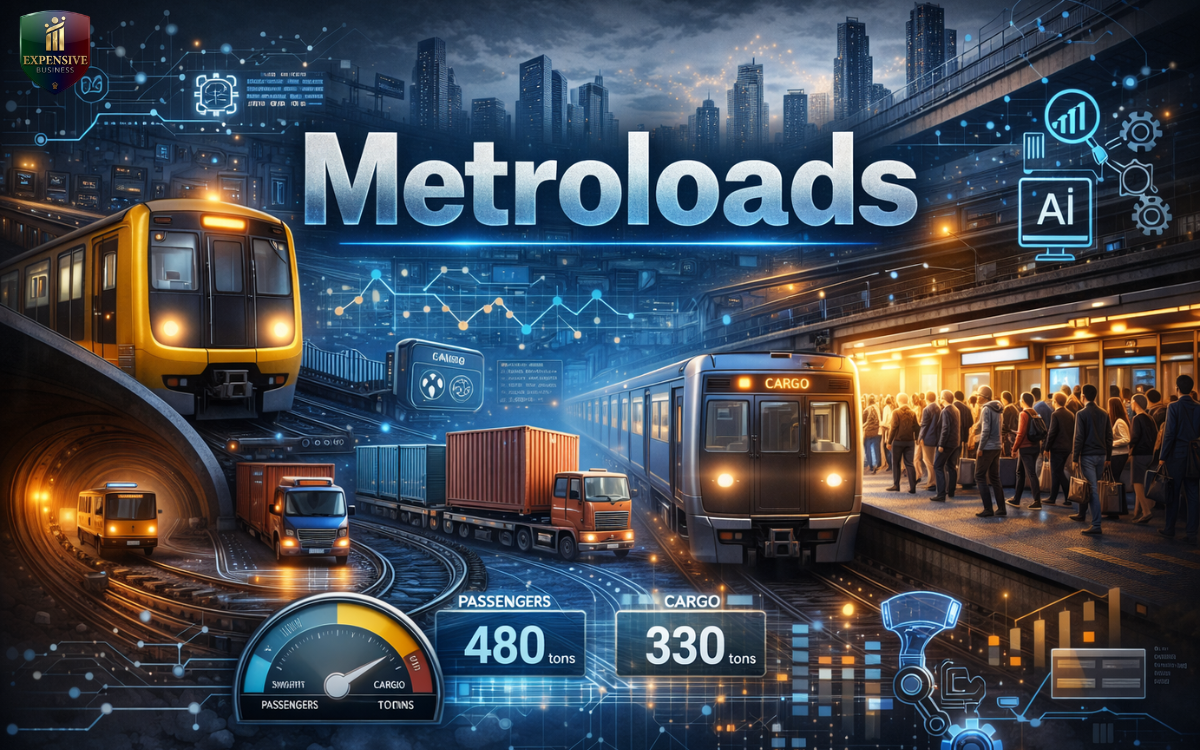
Metroloads denotes the specialized logistics framework and operational capacity required to transport large-scale cargo or high-density passenger volumes within metropolitan transit networks. For instance, New York City’s subway system manages substantial daily passenger metroloads by employing real-time automation and stringent engineering standards to accommodate millions of commuters while preserving infrastructure integrity. As urban centers expand, the concept of metroloads has progressed from a basic measure of weight to a multifaceted science encompassing urban throughput, infrastructure durability, and multimodal integration.
Infrastructure Underpinning Urban Capacity
The foundation of metroloads is rooted in the structural engineering of metropolitan rail and road systems. Transit networks are constructed with defined load-bearing tolerances that determine the volume of mass permitted through a corridor within a specified timeframe. In heavy rail and subway systems, effective management of metroloads requires calculating the combined weight of rolling stock and maximum passenger occupancy. Such data are essential for preventing track fatigue and ensuring the longevity of underground tunnels and elevated viaducts.
This is an alternative post to this article: https://theexpensivebusiness.com/seo-instant-appear-highsoftware99-com/
In contemporary logistics, metroloads also encompass the last-mile delivery sector. The growth of e-commerce has increased pressure on urban streets. Cities are piloting metro-based freight solutions by repurposing existing subway or light rail infrastructure during off-peak hours to transport goods into city centers. For example, Paris implemented the ‘Cargo Tram’ pilot project, utilizing modified tram cars to deliver parcels and fresh produce to central markets. This initiative demonstrates the technical feasibility of shifting freight to public transit and underscores the potential to reduce truck traffic, lower carbon emissions, and alleviate surface-level congestion.
Technological Integration and Intelligent Management
The efficiency of metroloads increasingly relies on real-time data analytics and Automated Load Management (ALM). Sensors embedded in tracks and vehicle suspension systems enable transit authorities to monitor weight distribution and occupancy in real time.
- Predictive Maintenance: Analysis of stress from fluctuating metroloads enables engineers to anticipate when specific network segments will require repairs before failure.
- Dynamic Routing: In freight-focused metroloads, AI-driven platforms optimize cargo movement timing to prevent conflicts with peak commuter hours.
- Energy Efficiency: Increased metroloads demand greater energy for acceleration and braking. Regenerative braking systems enable transit networks to capture energy from decelerating loads and return it to the power grid.
Prospects for Metropolitan Throughput
As Smart Cities become the global standard, metroload management is expected to shift from a reactive to a proactive approach. Future urban planning will likely emphasize dedicated subterranean freight channels and modular transit units capable of adjusting capacity in response to real-time demand. To achieve these advancements, urban policy and planning frameworks must incorporate flexible zoning, incentivize multi-use transportation corridors, and foster public–private partnerships that support experimentation with logistics technologies. Policymakers should also promote data sharing among stakeholders and establish regulations that prioritize sustainability and resilience in transit infrastructure. By optimizing metroload logistics and aligning policy with technological innovation, cities can maintain fluid, sustainable movement of people and goods to support increasingly dense populations.
