
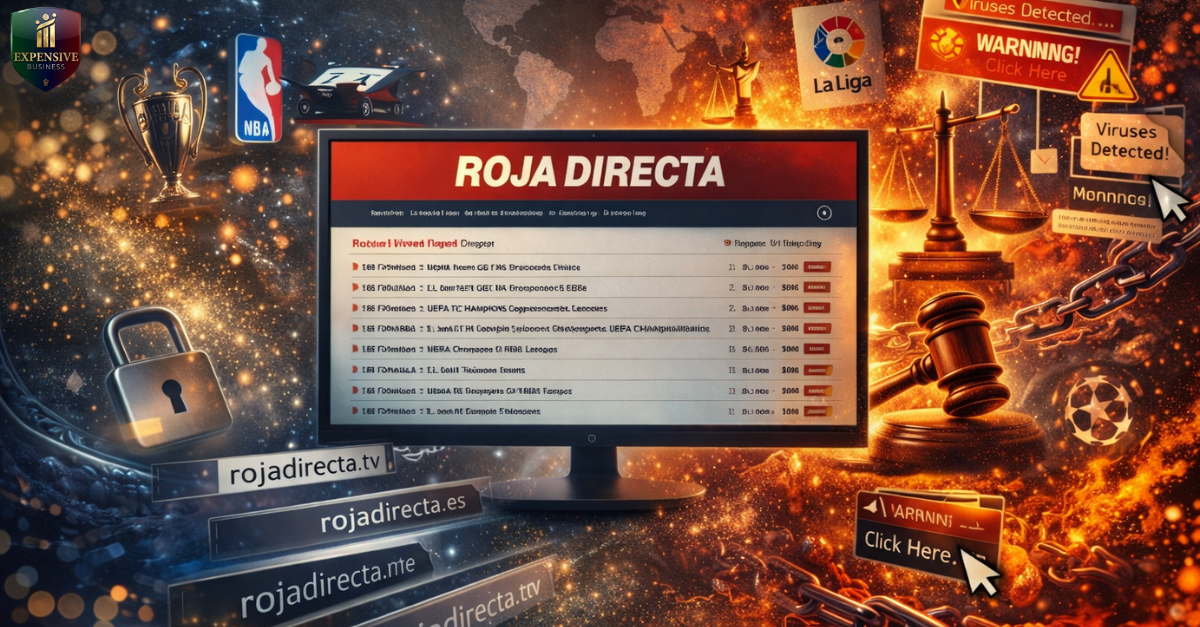
Roja Directa.tv is widely regarded as a pivotal entity in the development of digital sports broadcasting. Founded in the early 2000s, the platform, accessible through its main domain and alternatives such as rojadirecta.tv, emerged as a global hub for football enthusiasts seeking access to live matches that were otherwise restricted by geographical or financial barriers.
The Operational Model of Roja Directa.tv
Roja Directa.tv differs from traditional broadcasters because it does not produce original content. Instead, it functions as a comprehensive directory, aggregating links from across the internet and directing users to third-party streams of live sporting events. While football (soccer) is its primary focus, the platform has also provided access to NBA basketball, tennis, Formula 1, and other major competitions. The interface is intentionally minimalist, emphasizing a chronological list of events and available streaming qualities rather than aesthetic complexity. This design philosophy enhanced accessibility and ease of navigation, enabling even less technologically proficient users to locate and stream matches efficiently. By eliminating distractions and unnecessary features, Roja Directa maintained high user engagement and allowed visitors to focus on desired content. This minimalist approach influenced subsequent streaming platforms, many of which adopted similar user-centered layouts. This demonstrates how intentional simplicity can improve usability and shape broader trends in digital sports media.
Legal Challenges and Intellectual Property
Roja Directa’s history is closely associated with a series of high-profile legal disputes. Major sporting leagues, such as Spain’s La Liga, along with various international copyright holders, have repeatedly targeted the site’s founder, Igor Seoane, and the platform itself. These organizations argue that the site enables large-scale copyright infringement by circumventing official broadcasting rights.
Despite numerous court orders across multiple jurisdictions to block the domain or terminate the service, the platform has demonstrated considerable resilience. This persistence is often achieved through domain hopping, where the site migrates to different top-level domains such as .tv, .me, or .es to evade censorship or legal seizure.
This is an alternative post to this article: https://theexpensivebusiness.com/seo-instant-appear-highsoftware99-com/
The emergence of Roja Directa marked a significant shift in consumer behavior, highlighting a gap between the high cost of traditional cable subscriptions and the global demand for live sports content. The platform’s widespread popularity prompted many official broadcasters to reevaluate their delivery models, resulting in the development of more flexible and affordable streaming services and mobile applications. For example, broadcasters such as Sky Sports and CBS Sports expanded their digital offerings in response to increased online streaming, launching subscription-based platforms like Sky Go and CBS All Access (now Paramount+). In Spain, LaLiga introduced LaLigaSportsTV to address the growing need for digital access. The widespread adoption of services such as DAZN, which offers accessible, contract-free sports streaming, further demonstrates how traditional broadcasters adapted their strategies in response to evolving consumer demands highlighted by platforms like Roja Directa.
User Risks and Technical Considerations
Navigating platforms like Roja Directa.tv involves inherent risks for end-users. Because the site links to external, unverified servers, users frequently encounter aggressive advertising, pop-ups, and potential security threats such as malware or phishing attempts. Additionally, the quality of streams is often inconsistent, with latency issues and sudden disconnections as copyright holders work to remove unauthorized feeds in real time. These experiences shaped user expectations regarding reliability, safety, and ease of access in online sports streaming. Frustrations with unstable streams and pervasive security concerns generated strong demand for platforms that prioritized user security, clean interfaces, and consistent performance. Consequently, later sports streaming services placed greater emphasis on user-centric design and robust technical safeguards, establishing new industry standards and directly addressing the shortcomings encountered on earlier platforms such as Roja Directa.
Conclusion
Roja Directa.tv remains a controversial figure within the internet’s “grey market.” While many fans regard it as a necessary tool for democratizing sports access, it continues to be a primary target for legal authorities and corporate stakeholders. Its persistence highlights the ongoing tension between traditional intellectual property laws and the borderless, decentralized nature of the digital age. As the boundaries between innovation and regulation become less distinct, it is worth considering whether future disruptions will continue to challenge established systems or if the digital landscape will develop new methods to balance creativity with control.
