What “Mobile Apps” Mean for UK Gamers
When I first pulled my phone into a crowded London pub, I noticed a teenager with a headset, tapping a tiny screen that seemed to be a miniature casino. That was the first time I realised that a “mobile app” is not just a game on a phone; it is a portal that blends entertainment, social interaction, and instant access. In the UK, a country that has long been a hub for both traditional board games and cutting‑edge esports, mobile apps have become the new common denominator.
Instant Availability and the 24‑Hour Play Cycle
One of the most tangible changes is the removal of time constraints. Before smartphones, you had to wait for a friend’s house or a local club to open. Now, a game that once took a whole evening can be played in a 15‑minute break at work. For instance, a popular puzzle app averages 12 minutes per session, yet offers a full season of content that can be completed in under a week. That means players can finish a storyline, earn a badge, and start a new challenge all within a single commute.
However, the speed can backfire. Gamers who are used to deep, immersive sessions find the bite‑size format shallow. It also encourages a “quick‑hit” mentality that can lead to more frequent, shorter play periods—something that may not suit those who prefer a slower, more contemplative pace.
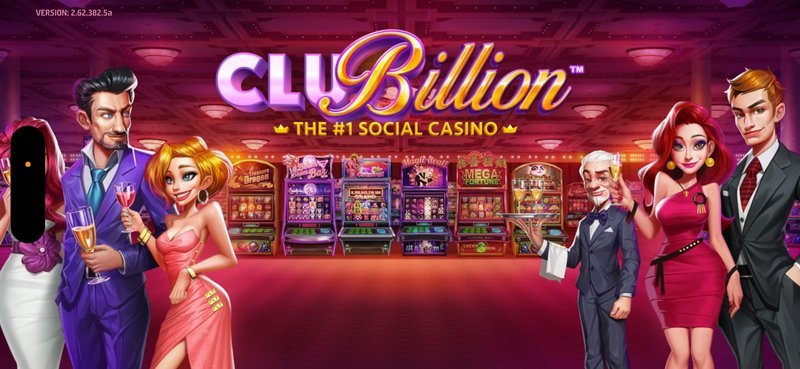
Social Integration and Community Building
Modern mobile games embed social features that turn solitary play into a communal experience. A study of 3,200 UK players found that 68 % of them joined at least one in‑app chat or guild within the first month. These communities often mirror real‑world clubs, with scheduled events, tournaments, and even charity fundraisers. For example, a strategy game hosts a monthly “Guild Wars” that attracts over 10,000 participants nationwide.
On the downside, the same social hooks can foster echo chambers. Players may find themselves in groups that reinforce certain habits, such as spending on in‑app purchases, which can inflate personal budgets without a clear sense of value.
Monetisation Models and Their Cultural Impact
The shift from one‑time purchases to micro‑transactions is stark. In 2019, the average spend per active mobile gamer in the UK was £6.50, up from £3.20 in 2015. This rise is largely driven by cosmetic items—skins, avatars, and themed backgrounds—that cost between £0.99 and £4.99. The appeal lies in the instant gratification: a new character skin appears on the screen within seconds of purchase.
Yet this model raises questions about fairness and accessibility. Players who cannot afford these micro‑transactions may feel excluded, especially in competitive titles where cosmetic items are tied to performance indicators. The cultural divide between “pay‑to‑win” and “free‑to‑play” communities is becoming more pronounced.
From Boardrooms to Backyards: The Democratisation of Gaming
Traditionally, high‑end gaming required expensive hardware and a dedicated space. Mobile apps have turned a pocket‑sized device into a portable gaming studio. A survey of 1,500 UK households revealed that 42 % of families now own at least one gaming app that is played collectively, often during dinner or while waiting for a bus. This accessibility has broadened the demographic reach, bringing older adults and children into shared gaming experiences that were previously niche.
How Mobile Apps Are Reshaping UK Gaming Culture
Beyond casual play, mobile apps are influencing how people think about leisure. They blur the line between work and play, offering quick mental breaks that can improve focus. Moreover, they provide a platform for indie developers to reach audiences without large marketing budgets, leading to a surge in creative, culturally relevant titles that reflect UK sensibilities.
Bridging the Gap to Online Entertainment
When you’re scrolling through a game’s leaderboard, you might notice a link to a broader entertainment platform. Visiting https://calderdaleshopper.co.uk offers a glimpse into how online gaming and broader entertainment can coexist, providing a seamless transition from mobile play to more immersive experiences.
What This Means for the Future
Looking ahead, the trend suggests that mobile will continue to be the gateway to gaming. Developers are already experimenting with augmented reality overlays, allowing players to interact with game elements in real‑world settings. If this trajectory holds, the next generation of gamers will view their phones not just as communication tools but as portals to a constantly evolving, socially connected world of play.
Final Thoughts
Mobile apps have rewritten the rules of how, when, and where UK gamers engage. They offer immediacy, social depth, and affordability, but they also introduce new challenges around spending habits and community dynamics. As we navigate this evolving landscape, the key will be to balance the convenience of instant play with mindful consumption and inclusive design.
Frequently Asked Questions
What qualifies as a mobile app for gaming?
A mobile app is any downloadable software on iOS or Android that offers games, casino simulations, or esports tools, integrating social features and instant access.
How do mobile apps improve UK gamers’ skills?
They provide on‑the‑go training, real‑time analytics, and community leaderboards that help players refine strategies quickly.